
Warangi River Wildlife
“The camp is very well located next to a river where we can see herds of animals on the other bank. Buffalo, elephants, lions... ”
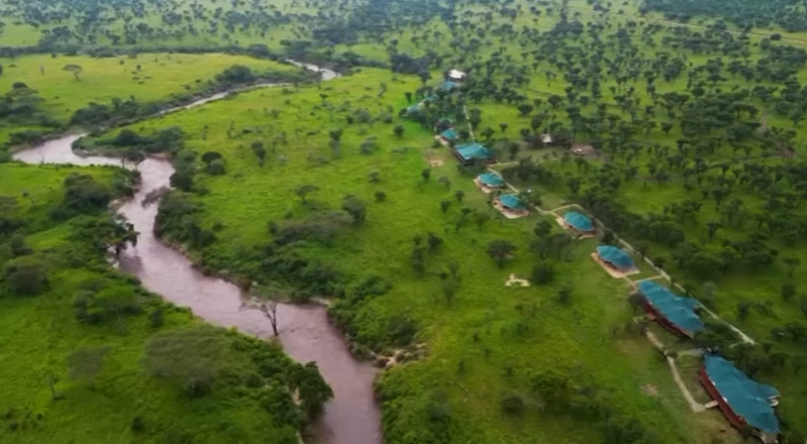
At Moyo Tented Camp Warangi, guests enjoy a unique location near the Warangi River, a year-round water source that creates a completely different ecosystem from the surrounding grasslands.
The lush riverbanks provide food, shelter, shade, and water, attracting an incredible variety of wildlife - many of which are difficult to spot elsewhere in the Serengeti.
Water-Loving Wildlife That Depends on Permanent Rivers
While many Serengeti animals roam widely across the plains, others rarely stray far from reliable water. Permanent rivers like the Warangi become vital refuges, especially during the dry season, concentrating wildlife into spectacular viewing areas.
Along the river and its surrounding vegetation, guests may encounter:
Hippopotamus: Hippos spend most daylight hours submerged in deep pools before emerging at dusk to graze across the surrounding plains. Watching pods of hippos interact in the water is one of Africa's classic safari experiences.
Nile Crocodile: The Serengeti's largest reptile thrives along permanent rivers. These prehistoric predators spend hours basking on riverbanks before slipping silently into the water to ambush fish, antelope, and even larger mammals crossing the river.
African Elephant: Elephants regularly visit river systems to drink, bathe, cool off, and cover themselves with mud that protects their skin from insects and the sun.
Cape Buffalo: Buffalo are highly dependent on water and often gather in impressive herds near rivers where fresh grazing remains available even during drier months.
Waterbuck: Unlike many antelope of the open plains, waterbuck prefer dense vegetation close to rivers. Their shaggy coats and strong swimming ability make them perfectly adapted to riverine habitats.
Warthogs: Although commonly seen across the Serengeti, warthogs frequently forage near rivers where green grasses remain abundant long after other areas have dried.
Elusive Wildlife You Rarely Find on the Open Plains
One of the greatest advantages of exploring riverine habitats is the opportunity to encounter species that many safari visitors never see. Dense vegetation provides excellent cover for shy, nocturnal, or solitary animals that avoid the exposed grasslands.
Keep your eyes open for:
Serval: Perhaps the Serengeti's most sought-after small cat, the serval thrives in tall grasses near water where it hunts rodents, frogs, and birds with astonishing hearing and spectacular vertical leaps.
African Civet: Mostly active after dark, civets quietly patrol riverbanks searching for insects, fruit, small mammals, and reptiles.
Large-Spotted Genet: Elegant and beautifully patterned, genets spend much of their time climbing trees lining rivers before descending to hunt at night.
Honey Badger: Fearless and notoriously difficult to spot, honey badgers occasionally patrol riverine habitats searching for reptiles, insects, rodents, and bird nests.
Crested Porcupine: Africa's largest rodent is another secretive resident of wooded river corridors, emerging after sunset.
Leopard: Although leopards roam throughout the Serengeti, riverine woodlands offer ideal cover for these masters of camouflage. The large trees along rivers also provide perfect places to rest and safely store their kills high above scavengers.
Vervet Monkeys and Olive Baboons: The mature trees growing alongside permanent rivers support thriving troops of monkeys and baboons that rarely venture far from dependable shade and water.
Nile Monitor: Africa's largest lizard is an impressive sight as it patrols riverbanks searching for eggs, fish, amphibians, and carrion.
Leopard Tortoise: One of Africa's most beautiful tortoises, these striking reptiles are often found browsing vegetation near rivers after seasonal rains.
A Birdwatcher's Paradise
Permanent water transforms the Warangi River into one of the most diverse bird habitats in the Serengeti. Waterbirds, woodland specialists, kingfishers, raptors, and colorful forest species all thrive along its shaded banks.
Depending on the season, guests may encounter:
Giant Kingfisher
Malachite Kingfisher
Woodland Kingfisher
Pied Kingfisher
African Fish Eagle
Grey Heron
Black-headed Heron
Goliath Heron
Hamerkop
Saddle-billed Stork
Yellow-billed Stork
African Openbill
Sacred Ibis
Hadada Ibis
Egyptian Goose
African Jacana
Spur-winged Lapwing
Blacksmith Lapwing
Narina Trogon (an exciting and uncommon sighting)
Black-and-white-casqued Hornbill
Grey Hornbill
Woodland Hoopoe
Lilac-breasted Roller
Bee-eaters
Sunbirds
Weavers
Turacos in thicker woodland pockets
The mix of permanent water, mature trees, reeds, and open clearings creates habitat for an extraordinary diversity of birdlife, making the Warangi River particularly rewarding for photographers and dedicated birdwatchers alike.
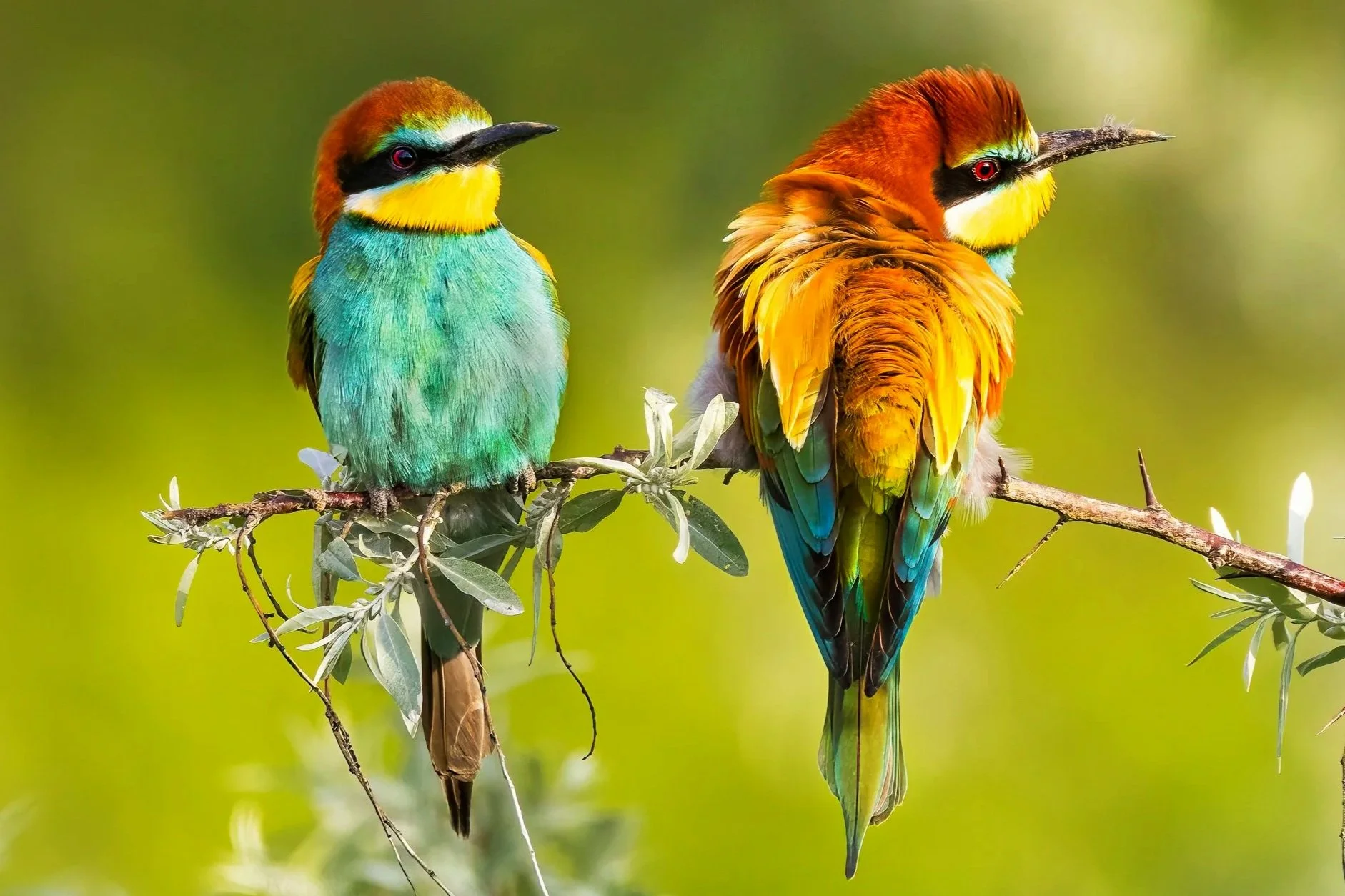
Staying at Moyo Tented Camp Warangi means experiencing the hidden world of riverine wildlife.
Combined with Moyo's comfortable accommodations, exceptional hospitality, and expert local guides who know these habitats intimately, every game drive offers the chance to discover a side of the Serengeti that many visitors never experience.
(Photo Credit to Paul Bulai)
Experience “two Serengetis” in one stay - the famous open plains and riverine habitat.